

This article was originally published in 2024. It is preserved from our archive and has not been updated for current market conditions. For what we fund today, see transactional funding for double closings and EMD funding for earnest money deposits.
Virtual Tours and Augmented Reality (AR)
One of the most significant changes in real estate marketing is the adoption of virtual tours and augmented reality (AR). These technologies provide potential buyers with immersive, 360-degree views of properties from the comfort of their homes.
Benefits:
- Convenience: Buyers can explore multiple properties without the need to travel.
- Detailed Inspections: Virtual tours allow for thorough inspection of every corner of the property, enhancing buyer confidence.
- Global Reach: International buyers can view properties in distant locations, expanding the market for sellers.
Example: Real estate platforms like Matterport and Zillow 3D Home have made it easy for agents to create and share virtual tours, significantly enhancing the property viewing experience.
Artificial Intelligence (AI) and Big Data
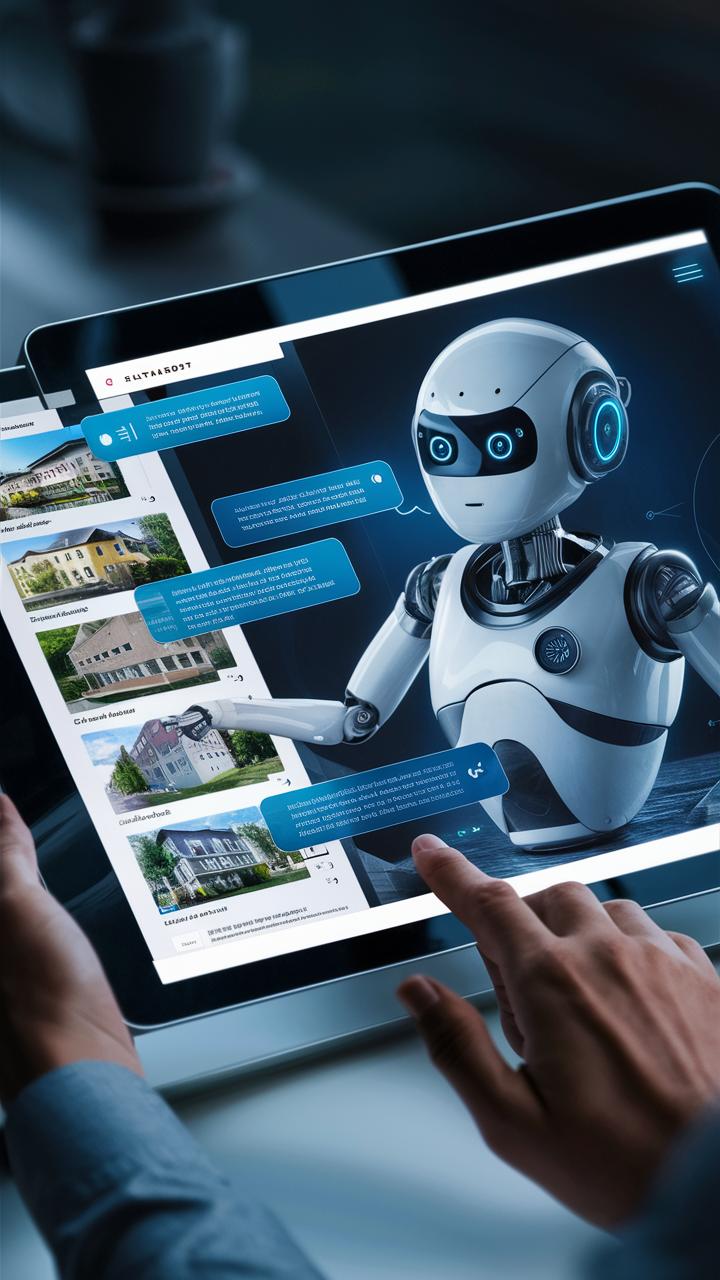
AI and big data are transforming how real estate professionals analyze market trends, evaluate property values, and target potential buyers.
Benefits:
- Predictive Analytics: AI algorithms analyze historical data to predict future market trends and property values.
- Personalized Marketing: Big data helps in creating targeted marketing campaigns based on buyer behavior and preferences.
- Efficiency: Automated systems streamline processes like property valuation, lead generation, and customer service.
Example: Platforms like Compass and Zillow use AI to provide accurate property valuations and market predictions, helping buyers and sellers make informed decisions.
Blockchain Technology
Blockchain, the technology behind cryptocurrencies, is making waves in real estate by enhancing transparency, security, and efficiency in transactions.
Benefits:
- Secure Transactions: Blockchain ensures that all transactions are recorded in a tamper-proof ledger, reducing fraud.
- Smart Contracts: These self-executing contracts with terms directly written into code eliminate the need for intermediaries, speeding up transactions.
- Decentralization: Blockchain allows for decentralized property listings, making it easier to buy and sell properties without traditional gatekeepers.
Example: Companies like Propy are using blockchain to facilitate real estate transactions, ensuring secure and transparent deals.
Internet of Things (IoT)
The Internet of Things (IoT) is bringing smart home technology into the mainstream, allowing for better property management and enhanced living experiences.
Benefits:
- Energy Efficiency: Smart thermostats and lighting systems optimize energy usage, reducing costs.
- Security: IoT devices like smart locks and security cameras enhance property security.
- Convenience: Voice-activated assistants and automated systems make daily living more convenient and efficient.
Example: Smart home devices from companies like Nest and Ring are becoming standard in modern homes, appealing to tech-savvy buyers.

Drones
Drones are revolutionizing property photography and inspection, offering unique perspectives and detailed views that were previously difficult to obtain.
Benefits:
- Aerial Views: Drones provide stunning aerial views of properties, enhancing marketing materials.
- Inspections: They can access hard-to-reach areas, making property inspections safer and more thorough.
- Cost-Effective: Drones reduce the need for expensive equipment and labor for aerial photography.
Example: Real estate agents use drones to create compelling video tours and high-quality images that attract more potential buyers.
“Realtors® are the gatekeepers of community!”
Conclusion
The integration of technology in real estate is not just a trend but a necessity in today’s digital age. From virtual tours and AI to blockchain and IoT, these innovations are making the real estate process more efficient, transparent, and user-friendly. As technology continues to evolve, we can expect even more groundbreaking changes that will further reshape the industry.
Comments
Sign in to our portal to leave a comment. Comments are reviewed before they appear.
Sign in to comment